

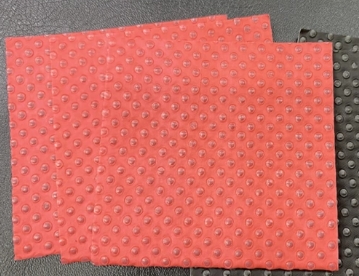
Absorbing pads, also known as absorbent pads, are designed to absorb and retain liquids effectively. They are commonly made from materials like cellulose, polymer, and superabsorbents. These pads are widely used in packaging to control excess moisture, spills, and leaks, preserving the quality and integrity of the packaged products.
Food Industry Applications
In the food industry, absorbing pads have become essential for maintaining the freshness and safety of perishable products. They are commonly used in packaging for fresh meat, poultry, seafood, fruits, and vegetables. Absorbing pads help control excess moisture, which can lead to bacterial growth and product spoilage. They also enhance the presentation of products by reducing the accumulation of liquids in packaging, ensuring that products look and taste their best when they reach consumers.
Recent innovations in food packaging have led to the development of specialized absorbing pads. For example, some pads are designed to release absorbed liquids back into the product, preserving its moisture content and improving shelf life. This innovation benefits items like fresh produce and pre-packaged meals.
Healthcare and Pharmaceutical Uses
Beyond the food industry, absorbing pads have found applications in the healthcare and pharmaceutical sectors. They are used in medical packaging to absorb excess fluids and maintain a sterile environment. This is crucial for products like wound dressings, diagnostic kits, and medical devices, where maintaining a dry and uncontaminated condition is paramount.
In recent years, the development of antimicrobial absorbing pads has gained attention in healthcare and pharmaceutical packaging. These pads not only absorb fluids but also help prevent bacterial growth, ensuring the safety and efficacy of medical products.
Environmental Considerations
As sustainability becomes a central focus across various industries, innovations in absorbing pad materials are also addressing environmental concerns. Manufacturers are exploring biodegradable and compostable materials to create eco-friendly absorbing pads. These materials reduce the environmental impact of packaging, aligning with the growing demand for sustainable solutions.
In conclusion, absorbing pads are playing an increasingly versatile role in packaging across industries. Their ability to control moisture and maintain product quality is essential in food, healthcare, and pharmaceutical sectors. With ongoing innovations in materials and applications, absorbing pads are likely to continue evolving to meet the diverse needs of modern packaging, while also addressing environmental sustainability.


