

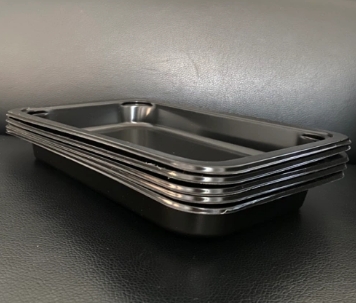
Meat trays, typically made from materials like foam, plastic, or cardboard, serve as the primary vessel for packaging and displaying meat products. Their design plays a pivotal role in preserving the freshness and integrity of the meat, preventing cross-contamination, and enhancing the visual appeal of the product.
Meat Industry Applications
In the meat industry, meat trays are essential for various purposes. They are used to showcase meat cuts at the retail level, providing an attractive presentation while keeping the products organized and separated. These trays are designed to handle the juices and liquids that naturally come from meat, preventing mess and cross-contamination within the packaging.
Recent innovations in meat tray design have led to the development of features like absorbent pads, which help manage excess moisture and maintain the product's quality and appearance. Additionally, modified atmosphere packaging (MAP) technologies are incorporated into some meat trays to extend the shelf life of meat products by controlling the gas composition within the packaging.
Sustainability and Eco-Friendly Meat Trays
As sustainability becomes a central concern, the meat industry is actively exploring eco-friendly alternatives for meat trays. Many manufacturers are shifting towards recyclable and biodegradable materials for meat packaging. This shift not only aligns with environmental responsibility but also caters to the preferences of environmentally-conscious consumers.
Moreover, sustainable meat trays are increasingly designed to be lighter in weight, reducing their environmental impact during production and transportation. These trays can be composed of materials like recycled plastics, minimizing waste and conserving resources.
Ensuring Food Safety
In addition to presentation and sustainability, meat trays also play a crucial role in ensuring food safety. The packaging is designed to meet strict hygiene standards to prevent contamination and maintain the meat's freshness and flavor. Furthermore, some meat trays incorporate tamper-evident and tamper-resistant features to enhance the security and safety of meat products.
In conclusion, meat trays are central to the meat packaging industry, serving a multitude of functions from presentation to food safety. With ongoing innovations in design and materials, the industry is adapting to meet the growing demand for sustainable packaging. As the focus on environmental responsibility continues to gain momentum, meat trays are expected to play a vital role in shaping the future of meat packaging while ensuring the highest quality and safety standards for consumers.


