

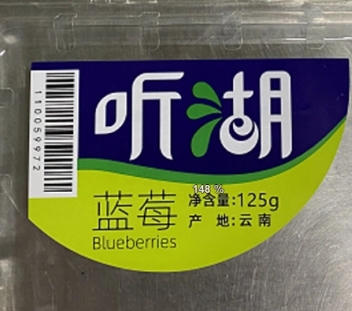
UPC labels are barcodes used to uniquely identify products in the marketplace. They consist of a series of vertical bars and numerical digits, which when scanned, provide information about the product, such as its name, manufacturer, and price. The use of UPC labels has streamlined various processes in the retail industry, from inventory management to point-of-sale transactions.
Efficient Inventory Management
One of the primary functions of UPC labels is to facilitate efficient inventory management. Retailers use barcode scanners to read UPC labels, allowing for quick and accurate tracking of product quantities and automatic updates to inventory systems. This automation minimizes the risk of human errors and greatly simplifies restocking and order management processes.
Furthermore, UPC labels enable businesses to monitor product movement, identify slow-moving items, and optimize inventory turnover. With real-time inventory data, retailers can make informed decisions, reducing overstocking and minimizing the costs associated with excess inventory.
Enhancing Customer Experience
UPC labels also play a crucial role in enhancing the customer experience. At the point of sale, scanning UPC labels enables cashiers to swiftly and accurately process transactions. This not only reduces checkout times but also minimizes pricing errors, contributing to customer satisfaction.
Moreover, the availability of UPC information can empower customers to make informed purchasing decisions. Many retailers provide price-checking kiosks or mobile apps that allow shoppers to scan UPC labels to access product details, reviews, and pricing information. This transparency helps build trust and loyalty among consumers.
Adapting to E-commerce
The use of UPC labels is not limited to physical stores. E-commerce retailers have also embraced UPCs as a means of organizing and cataloging their online inventory. UPCs help e-commerce platforms manage their product listings, synchronize inventory across multiple channels, and ensure consistency in product information, ultimately improving the online shopping experience.
In conclusion, UPC labels are essential in streamlining inventory management and enhancing the customer experience in both physical and online retail. The efficiency and accuracy they bring to supply chain operations are invaluable, making them a cornerstone of modern retail and commerce. As technology continues to advance, UPC labels will likely remain a key tool for businesses seeking to optimize their operations and meet consumer expectations in a competitive market.


