Bio-PET is chemically identical to conventional PET but made partially or entirely from renewable sources like sugarcane ethanol. It offers the same clarity, strength, and recyclability as traditional PET, making it a drop-in solution for existing production lines. Major brands are blending bio-PET with recycled PET to lower carbon footprints. However, bio-PET currently costs 20–40% more than virgin PET, limiting widespread use in price-sensitive fruit markets.
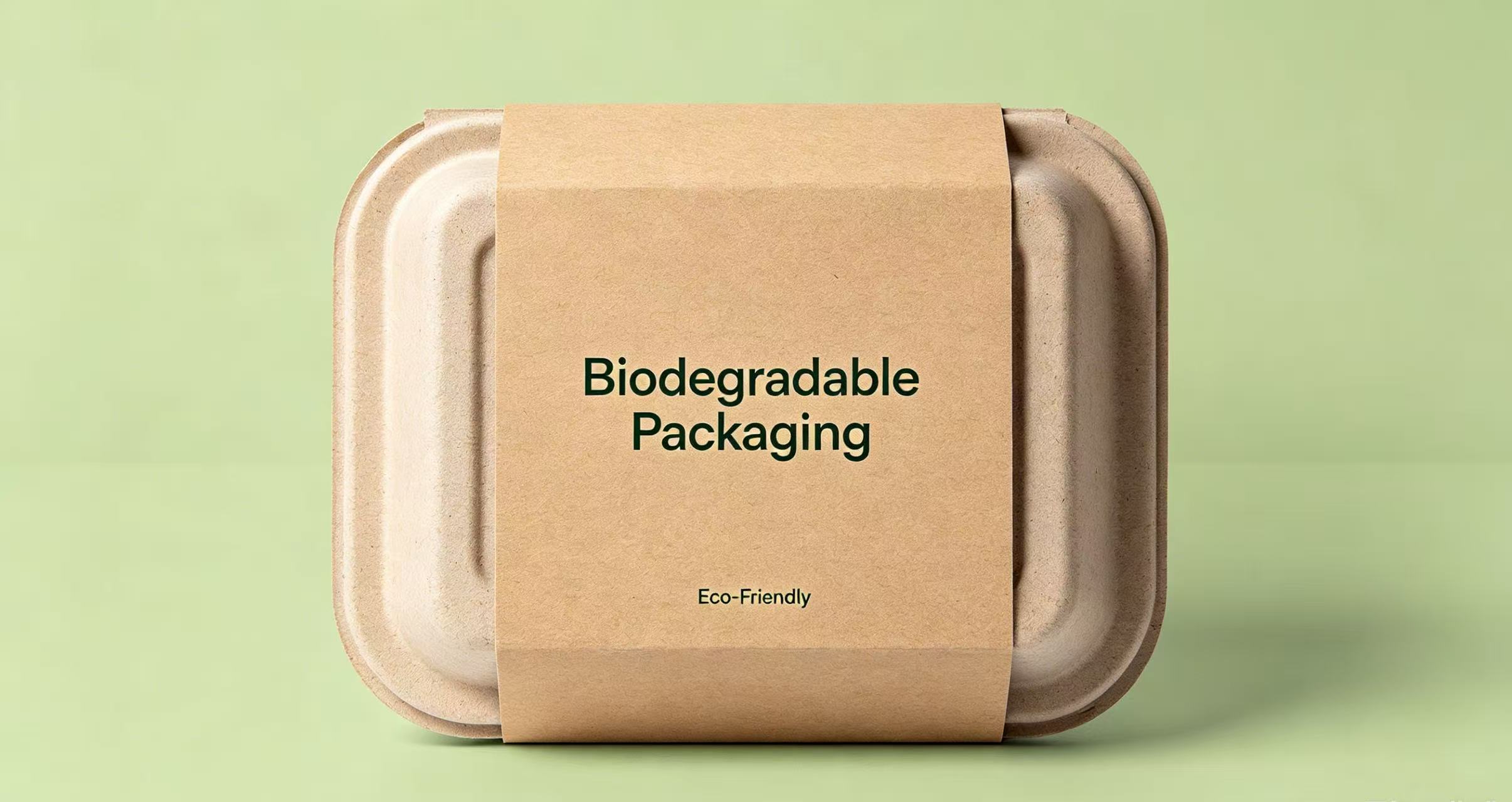
Biodegradable polymers (PLA, PHA, cellulose-based) can break down in industrial composting facilities, but many struggle with the moisture, temperature, and durability requirements of fresh fruit packaging. They often lack the clarity, impact resistance, and heat resistance needed for cold chain and retail display. Some new blends show promise for low-risk fruits, but large-scale commercialization for berries and grapes remains limited.
Agricultural waste-based packaging (fruit seeds, wheat straw, sugarcane bagasse) is emerging as a low-cost, circular option. A recent innovation from India uses tamarind, jackfruit, and lychee seeds to create antimicrobial packaging that extends fruit shelf life up to 15 days. While promising, these materials are often opaque, less durable, and require new manufacturing equipment.
In 2026, PET (virgin + PCR recycled) still offers the best balance of safety, performance, clarity, recyclability, and cost for most fresh fruit applications. Bio-PET and biodegradable alternatives will grow but remain niche until costs fall and performance improves. For now, maximizing recycled content in PET is the most practical sustainability strategy for fruit packaging manufacturers.