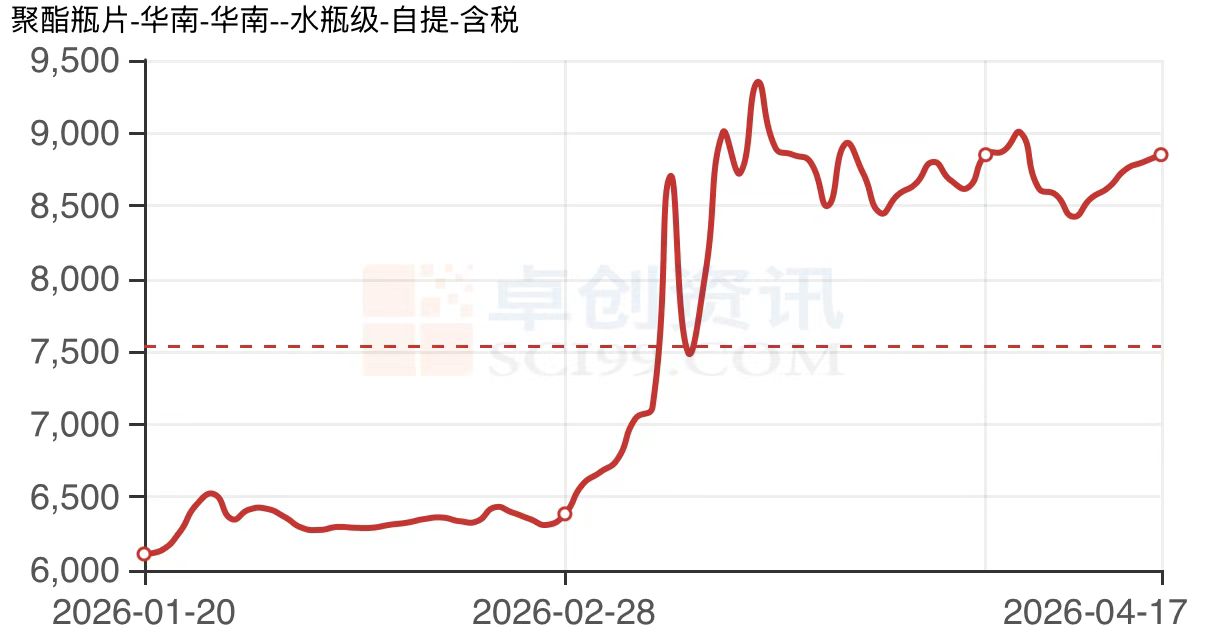
The fresh fruit sector is particularly sensitive to packaging costs because margins are often thin, especially for bulk commodities like apples, oranges, and grapes. Many packers and exporters are now negotiating longer-term contracts, switching to alternative materials where possible, or optimizing packaging design to reduce material usage. However, PET remains the preferred choice for most premium and export fruits due to its clarity, durability, food safety, and recyclability.
Leading PET packaging factories are adopting several strategies to mitigate cost pressures:
1. Material optimization: downgauging PET thickness while improving structural design (ribs, corners) to maintain strength.
2. Bulk sourcing & long-term agreements: locking in resin prices with reliable suppliers.
3. Recycled PET blending: using certified PCR PET to lower raw material costs and meet sustainability goals.
4. Production efficiency: upgrading molds, reducing scrap rates, and automating processes.
5. Value-added services: offering design, printing, and labeling to increase product value.
For fruit buyers, the best approach is to partner with stable, scalable PET box manufacturers that can balance cost, quality, and compliance. While short-term price hikes are unavoidable, the long-term trend favors efficient, sustainable, and cost-optimized PET packaging solutions.