

Environmentally friendly, natural, organic, green, recyclable… these are just some common interpretations of the term sustainability. But what does it really mean? The EPA (U.S. Environmental Protection Agency) defines sustainability as creating and maintaining conditions in which humans and nature can exist in productive harmony, thereby meeting the social, economic, and other requirements of present and future generations. In other words, sustainability goes far beyond simply setting up a recycling station, turning off your computer at the end of the workday, or manufacturing products with "green" raw materials.
TEQ Thermoforming, Inc., USA, focuses on seven key areas when pursuing its sustainability goals, ranging from energy consumption and operational efficiency to community engagement. Some examples of TEQ's progress in these key areas to date include:
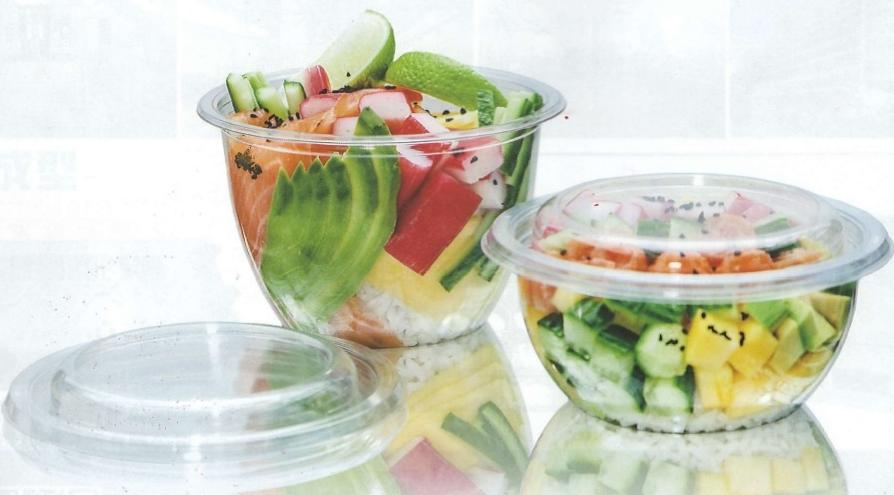
Materials
· Providing material recommendations to help companies successfully replace current packaging materials with renewable, sustainable, biodegradable, and recycled/post-consumer plastics;
· Implementing improvements to increase material yields.
Supply Chain
· Establish and manage streamlined supply chain processes to:
· Reduce waste
· Reduce transportation costs
· Reduce overall environmental impact
Transportation
· Implement manual loading of export containers to maximize container loads;
· Utilize rail transportation for long-distance shipments.
Recycling
· Implement recycling programs for:
· All household waste;
· All scrap from the manufacturing process;
· All corrugated cardboard waste;
· All waste oil;
· All metal waste from mold manufacturing;
· All wood waste;
· Cores;
· Implement a program with injection molding suppliers to reuse corrugated boxes;
· Direct recycling/reuse of pallets from extruders;
· Implement a reusable Gaylord program with select customers.
Energy/Water Use
· Replace hydraulic/pneumatic machines with electric servo-powered machines;
· Utilize variable-speed rotary screw air compressors;
· Utilize high-efficiency HVAC (air conditioning) systems and design controlled environments with positive airflow to cool/heat adjacent areas;
· Replace low-efficiency fluorescent/halogen lighting with high-efficiency fluorescent and LED lighting in production/warehouse areas;
· Install motion-controlled lighting in warehouses and restrooms;
· Utilize Energy Star-rated rooftops, estimated to save 5% to 10% in HVAC energy;
· Implement a closed-loop water cooling system
Hazardous Waste/Emissions
· Replace most hazardous substances with FDA-grade chemicals;
· Eliminate the use of propylene glycol;
· Ensure that emissions to air are negligible.
Localization
· Purchase pallets from local suppliers;
· Source cartons from local suppliers;
· Ensure most raw material suppliers are located within a 180-mile radius;
· Develop partnerships with local companies for flexible packaging, carton printing, and contract packaging;
· Utilize local logistics providers where feasible;
· Purchase injection molded parts for assembly from local suppliers;
· Share resources (such as parking lots) with the community;
· Use local employment agencies;
· Participate in local job fairs;
· Utilize interns from local schools.


