

In most supermarkets, grapes are displayed in transparent, rigid containers called clamshells. This packaging not only protects the fruit but also allows shoppers to learn about the quality of the grapes before purchasing.
The Fruit Inside
Clamshell grapes are not a special type of grape but rather regular table grapes packaged in a specific way. They may be:
-
Seedless grapes – the most widely sold, including varieties such as Flame Seedless, Crimson, Thompson, and Cotton Candy. These are favored for their convenience and popularity among families.
-
Seeded grapes – occasionally found in clamshells, especially for traditional markets or seasonal demand.
So, the “clamshell” term describes the container, not the grape variety.
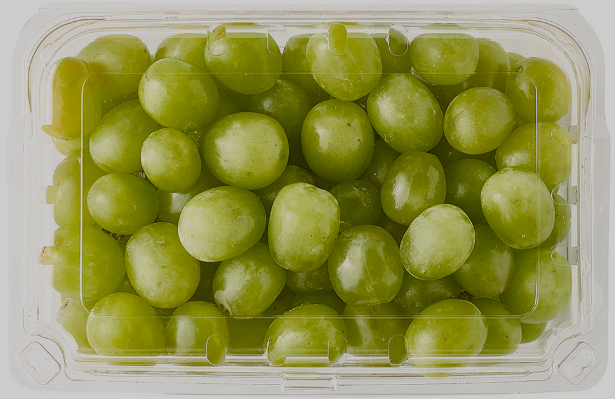
The Packaging Material
The clamshell container is just as important as the fruit because it ensures protection, freshness, and presentation. Most grape clamshells are made from:
PET (Polyethylene Terephthalate)
-
The most common plastic for produce packaging.
-
Known as #1 plastic, it is lightweight, strong, and transparent.
-
Widely used because it allows consumers to clearly see grape quality.
-
Recyclable in principle, though local recycling acceptance may vary.
Recycled PET (rPET)
-
Produced from recycled plastics, such as water bottles and old clamshells.
-
Helps reduce reliance on virgin plastic production.
-
Increasingly adopted by growers and retailers aiming for sustainability.
Sustainable Alternatives
Some producers are beginning to use biodegradable plastics, molded fiber, or paperboard containers as alternatives. While less common, these eco-friendly options are gaining traction as environmental awareness grows.
Why PET Is Widely Used
PET remains the dominant material for grape clamshells because it provides:
-
Durability – reduces bruising and damage during shipping.
-
Clarity – allows shoppers to easily evaluate the fruit.
-
Ventilation features – small holes regulate airflow and moisture.
-
Efficiency – containers are stackable, saving space in storage and transport.
Environmental Impact
Although PET and rPET are recyclable, challenges remain. Stickers, labels, and lightweight plastic design can make processing difficult, and many clamshells are discarded instead of recycled. To reduce waste, the fresh produce industry is exploring greener solutions, moving toward higher recycled content and compostable materials.
Conclusion
Clamshell grapes consist of table grapes packaged in protective containers, most commonly made from PET plastic or recycled PET. The packaging is designed to safeguard the fruit, maintain freshness, and improve presentation for consumers. While seedless varieties dominate inside these containers, the clamshell itself plays the crucial role—it’s typically made of transparent, durable material. As sustainability becomes a priority, more producers are testing eco-friendly packaging options to reduce environmental impact while keeping grapes fresh and appealing.


