

Definition of Clamshell Blueberries
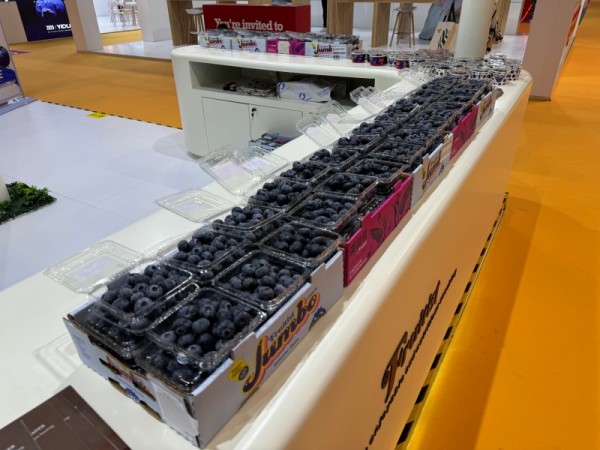
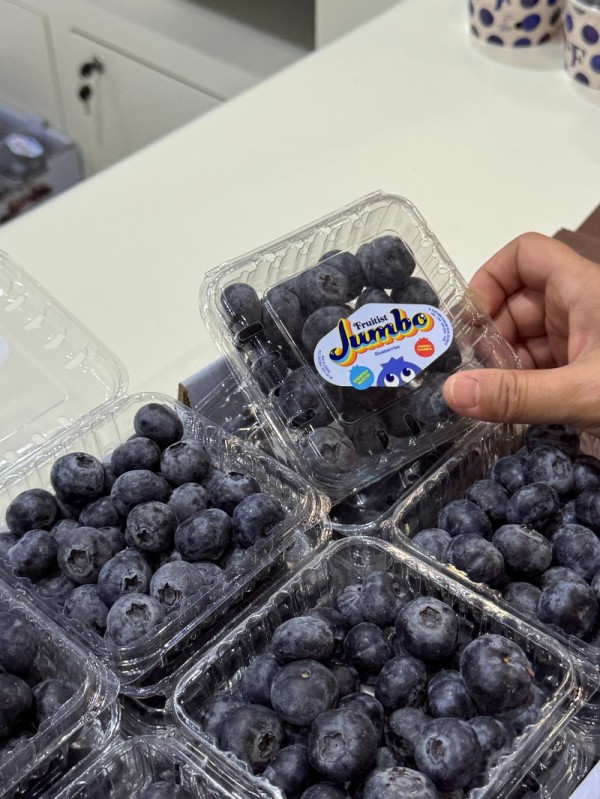
Clamshell blueberries are simply fresh blueberries packaged in rigid, transparent plastic containers known as clamshells. The name “clamshell” comes from the hinged design, which allows the container to open and close like a shell.
These containers are usually made from PET (polyethylene terephthalate, #1 plastic), the same material used for water bottles. PET is lightweight, durable, and technically recyclable, making it suitable for packaging fresh produce like blueberries.
Why Blueberries Are Packaged in Clamshells
Blueberries are delicate fruit with thin skins that can easily be crushed, spilled, or contaminated during handling. Clamshell containers solve several problems:
-
Protection: Prevents bruising and squashing during shipping and handling.
-
Ventilation: Small holes allow airflow, helping reduce moisture buildup and mold growth.
-
Visibility: Clear plastic lets consumers inspect fruit quality before buying.
-
Standardization: Blueberries can be sold in consistent weights such as 4 oz, 6 oz, 11 oz, or 18 oz packs.
This balance of protection and convenience has made clamshells the most common packaging for blueberries in global markets.
Benefits of Clamshell Blueberries
Clamshell packaging offers several advantages for both consumers and retailers:
-
Longer shelf life: Ventilation and protection help keep blueberries fresher.
-
Portion control: Pack sizes make it easier to purchase the right amount.
-
Stackability: Clamshells are easy to transport and store without damaging the fruit.
-
Hygiene: Reduces direct handling and contamination in stores.
-
Convenience: Many clamshells are resealable, making storage easier after opening.
Environmental Considerations
While clamshell containers are practical, they also raise sustainability concerns. PET clamshells are recyclable in theory, but not all local recycling facilities accept them due to issues with contamination from labels and adhesives. As a result, many clamshells end up in landfills.
To address this, packaging manufacturers and growers are exploring alternatives such as:
-
Recycled PET (rPET) clamshells
-
Compostable plastics
-
Paperboard and molded pulp containers
These innovations aim to maintain fruit quality while reducing environmental impact.
Tips for Buying Clamshell Blueberries
When selecting clamshell blueberries, keep these tips in mind:
-
Check the bottom of the container for crushed fruit or excess moisture.
-
Look for plump, firm berries with a uniform blue color and a silvery-white bloom (a natural protective coating).
-
Avoid packages with visible mold, leaks, or shriveled berries.
-
Choose clamshells that feel dry and well-ventilated.
Conclusion
Clamshell blueberries are fresh blueberries packaged in clear, rigid plastic clamshell containers. This packaging protects delicate fruit, extends freshness, ensures hygiene, and makes it easier for consumers to evaluate quality before purchase. While environmental challenges remain, ongoing innovations in sustainable packaging aim to reduce the footprint of clamshell use. For now, clamshell packaging remains the industry standard for delivering blueberries safely and conveniently from farm to table.


